Why Early Eye Disease Detection Starts With Routine Eye Exams
Why Early Eye Disease Detection Starts With Routine Eye Exams
Clear vision does not always mean your eyes are healthy. Many eye diseases can begin developing without causing noticeable pain, blurred vision, or other warning signs. Routine eye exams allow our eye doctor to evaluate both your eyesight and internal eye health, helping identify changes before they interfere with your daily life.
Early eye disease detection can make it possible to begin monitoring or treatment sooner. This may help protect your vision and reduce the risk of complications associated with conditions such as glaucoma, diabetic retinopathy, cataracts, and age-related macular degeneration.
An Eye Exam Goes Beyond Updating Your Prescription
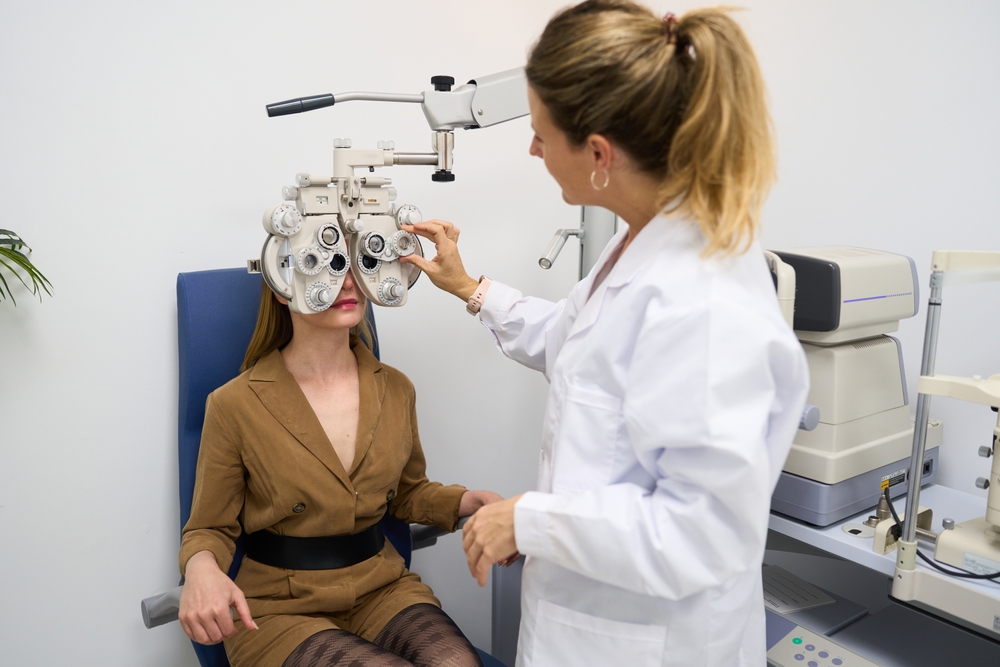
A routine eye exam is not limited to determining whether you need glasses or contact lenses. During a comprehensive eye exam, our eye doctor evaluates how well your eyes focus, work together, and respond to light. The exam also includes an in-depth assessment of your ocular health.
Depending on your age, health history, symptoms, and individual risk factors, your examination may include:
• Visual acuity and prescription testing
• Eye pressure measurement
• Evaluation of the retina and optic nerve
• Assessment of the cornea, lens, and surrounding eye structures
• Pupil response and eye movement testing
• Dilated retinal evaluation when recommended
These findings create an important record of your eye health. At future visits, your eye doctor can compare results and look for subtle changes that may require further evaluation.
Many Eye Diseases Develop Quietly
Some serious eye conditions have few or no symptoms during their early stages. Glaucoma can gradually damage the optic nerve, while diabetic retinopathy may affect retinal blood vessels before a person notices changes in vision. A dilated eye exam can also help detect signs of age-related macular degeneration and other retinal concerns.
Waiting until vision becomes blurry or distorted may allow a condition to progress. Routine eye exams provide an opportunity to detect concerns while they may still be easier to monitor or manage.
Your Overall Health Can Affect Your Eyes
Your eyes contain small blood vessels and delicate tissues that can reflect changes occurring elsewhere in the body. Diabetes, high blood pressure, certain medications, and autoimmune conditions can all affect eye health.
People with diabetes require particular attention because elevated blood glucose can damage retinal blood vessels. Regular dilated eye exams help eye doctors check for leaking blood vessels, reduced blood flow, and other signs of diabetic retinopathy.
How Often Should You Schedule an Eye Exam?
The right eye exam schedule depends on your age, medical history, family history, current eye health, and risk factors. Patients with diabetes, existing eye disease, strong prescriptions, or a family history of glaucoma may need more frequent evaluations. At Northview Eye Associates, we recommend yearly eye exams to monitor eye health and detect changes that may require attention.
Schedule a comprehensive eye exam with Northview Eye Associates to support early eye disease detection and protect your long-term vision. Visit our office in Rice Lake, Spooner, or Hayward, Wisconsin. Call (715) 234-3113, (715) 635-2020, or (715) 634-1028 to book an appointment.
Quick Links
Helpful Articles
article_category: products
article_category: psychiatry
article_category: faqs
article_category: cats
article_category: general
article_category: services
article_category: technology
article_category: dogs
article_category: restorative
article_category: vision therapy
article_category: contact lenses
article_category: health
article_category: conditions
article_category: eye surgery co-management
article_category: exotic
article_category: cosmetic
article_category: surgical procedures
article_category: aesthetics
article_category: preventative
article_category: ocular disease management
article_category: eyeglasses
article_category: eye health
article_category: large animal
[]
article_category: psychiatry
article_category: faqs
article_category: cats
article_category: general
article_category: services
article_category: technology
article_category: dogs
article_category: restorative
article_category: vision therapy
article_category: contact lenses
article_category: health
article_category: conditions
article_category: eye surgery co-management
article_category: exotic
article_category: cosmetic
article_category: surgical procedures
article_category: aesthetics
article_category: preventative
article_category: ocular disease management
article_category: eyeglasses
article_category: eye health
article_category: large animal
[]
Flowbite is an open-source library of interactive components built on top of Tailwind CSS including buttons, dropdowns, modals, navbars, and more.
Check out this guide to learn how to get started and start developing websites even faster with components on top of Tailwind CSS.
All Eye Care Services
Find personalized eye care excellence with our comprehensive services. From eye exams to advanced diagnostics, trust us for all your vision needs.

Keep In Touch
For non-urgent questions or to learn more about our services, contact us today!
Rice Lake Location
(715) 234-2339
across from the Marshfield Clinic
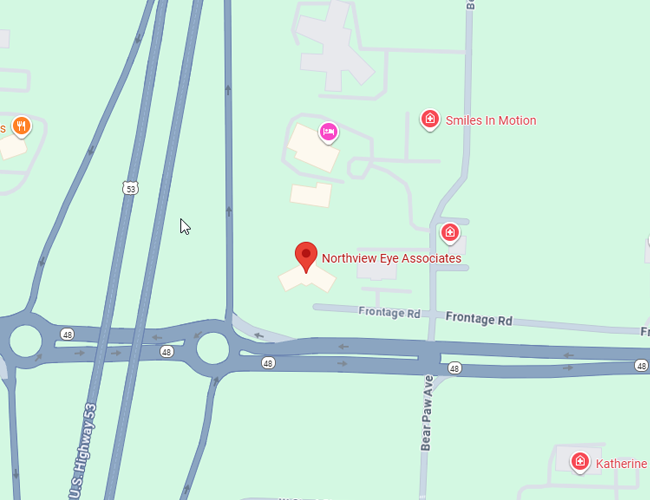
Spooner Location
(715) 635-2956
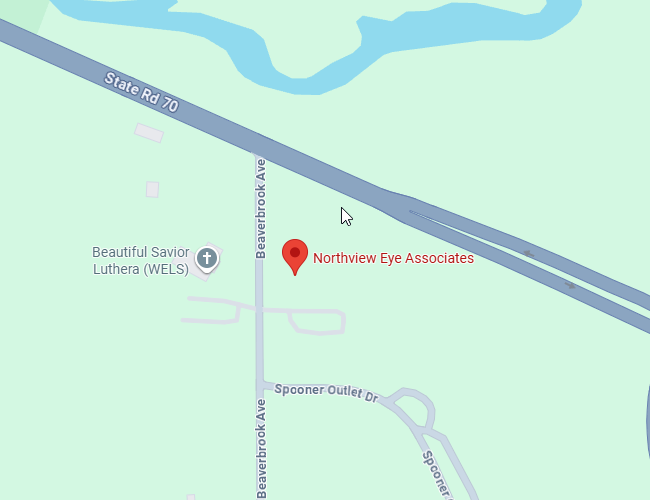
on the southwest corner of Hwy 53 and 70
Hayward Location
(715) 634-9733
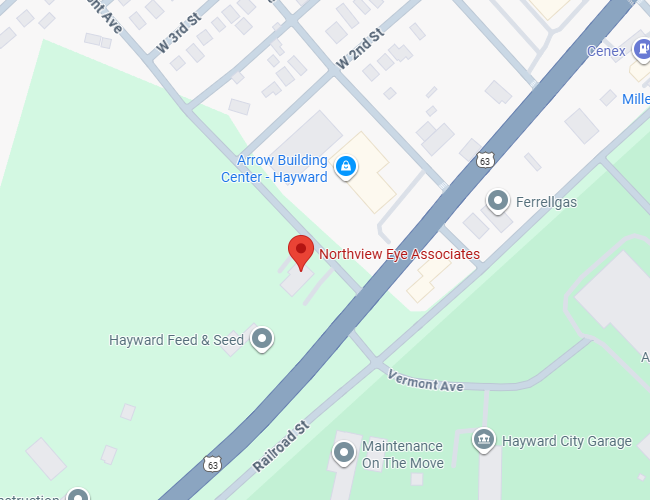
on the north side of Hwy 63 as you enter town
Rice Lake Hours
- Monday 9:00am - 5:00pm
- Tuesday 8:00am - 5:00pm
- Wednesday 8:00am - 5:00pm
- Thursday 8:00am - 5:00pm
- Friday 8:00am - 4:00pm
- Saturday Closed
- Sunday Closed
Spooner Hours
- Monday 9:00am - 5:00pm
- Tuesday 8:00am - 5:00pm
- Wednesday 8:00am - 5:00pm
- Thursday 8:00am - 5:00pm
- Friday 8:00am - 4:00pm
- Saturday Closed
- Sunday Closed
© 2026 Northview Eye Associates. All rights Reserved - Accessibility Statement - Privacy Policy - Terms and Conditions - Sitemap
Managed and Designed by 